
Why Core Coverage Is the Most Important Thing in a Dog Coat 🐾🧥
What is Core Coverage?
We talk a lot about how a dog coat looks. But not nearly enough about how it actually works.
Because here's the thing — a coat that looks warm and a coat that keeps your dog warm are not always the same thing. And the difference often comes down to one thing: core coverage.
What Happens to Your Dog's Body in the Cold? 🌡️
Dogs lose body heat through their skin — either through contact with cold surfaces, or through heat transferring from their skin directly into the surrounding air. Unlike humans, they can't sweat across their body to regulate temperature, which makes them far more dependent on what's covering them.
When a dog starts to get cold, their body responds in a clever but telling way. It redirects heat away from the extremities — the ears, paws and legs — and towards the vital organs in the chest and abdomen. This is the body's way of protecting what matters most.
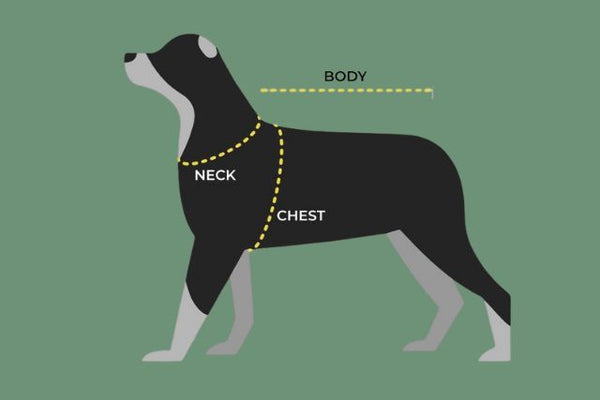
Which means the core — the chest, tummy and organs — is the single most important area to keep warm. It's where your dog's body is working hardest. And it's the area that, if left exposed, causes heat to escape fastest.
So Why Do Most Dog Coats Get This Wrong? ❌
Most traditional dog coats are built around convenience — specifically, Velcro straps across the chest and tummy that make them quick to put on and take off.
But those straps create gaps. And those gaps mean cold air gets in and body heat gets out — right at the very area your dog's body is trying hardest to protect.
Your dog might be wearing a coat. But if their chest and tummy are exposed, they're still cold where it matters most.
There's also another factor that's easy to overlook — wet fur. When a dog's underside gets wet from rain or puddles, the fur loses its natural insulating properties almost entirely, allowing body heat to escape even more rapidly. A coat that leaves the tummy exposed doesn't just let in cold air — it lets in moisture too.

What Vets Focus on When a Dog Gets Too Cold 🩺
It's worth noting what veterinary advice consistently points to when warming a dog that has become too cold: focus on the chest and abdomen first. That's where the vital organs are. That's where warmth needs to be restored.
This is exactly the logic that should inform how a dog coat is designed in the first place — not just as an afterthought, but as the starting point.
How We Designed Around This at Snoot Style ✂️
When our founder Katy set out to redesign the dog coat, core coverage was non-negotiable.
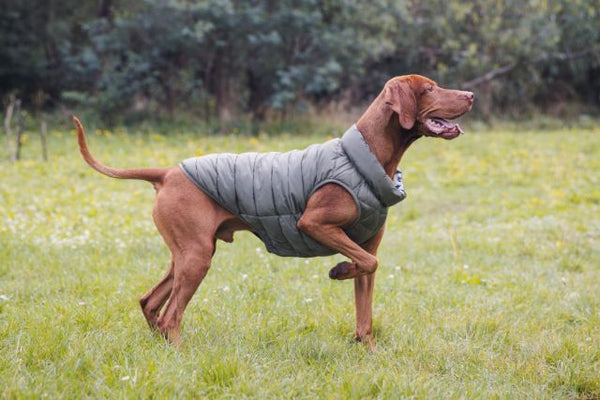
The traditional strap system was the first thing to go. In its place, our signature back zip design allows the coat to wrap snugly around the entire body — no gaps, no shifting, no exposed chest or tummy.
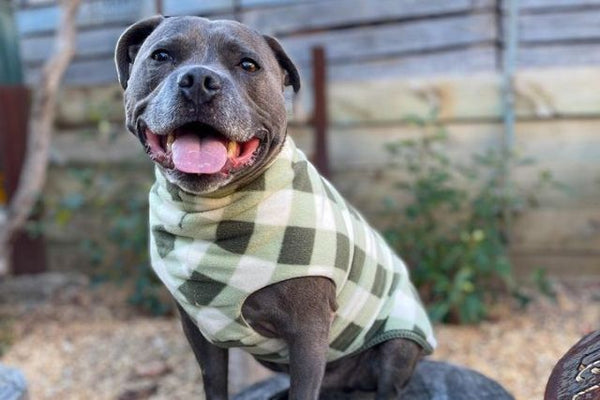
The result is full coverage through the chest and vital organs, with a secure, cocoon-like fit that keeps body heat exactly where it belongs — with your dog.
✔ No Velcro straps creating gaps across the chest
✔ Full chest and tummy coverage as standard
✔ Stays in place as your dog moves
✔ Keeps warmth in and cold air out

And There's a Bonus 🌧️
Full core coverage doesn't just mean warmer — it means cleaner and drier too.
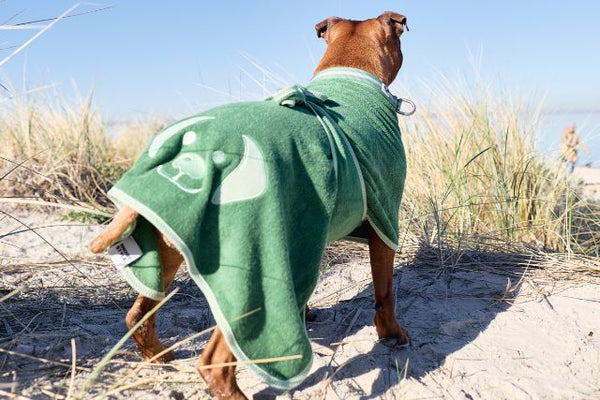
When the chest and tummy are properly covered, there's no exposed belly dragging through puddles, no soggy underside after a rainy walk. Your dog comes home warm, dry, and considerably less in need of a towel down.
The Bottom Line
A dog coat should do more than look the part. It should be designed around how a dog's body actually works — and that means prioritising the core above everything else.
Because once you understand what's really happening inside your dog's body on a cold walk, you can't look at a gappy, strap-heavy coat the same way again.