
Is Your Dog Ready for Winter?
Your 5-point checklist.
The temperature has dropped. The mornings are darker. And your dog — depending on their breed, age, size and coat type — may be feeling it more than you realise.
Dogs can't tell us when they're cold. But they show us. Shivering on walks, reluctance to go outside, seeking warmth constantly, sleeping more than usual — these are all signs that your dog needs a little extra care as winter sets in.
Here's a simple five-point checklist to make sure your dog is warm, comfortable and ready for the months ahead.

Dogs can't tell us when they're cold. But they show us — if you know what to look for.
1. Know your dog's cold tolerance
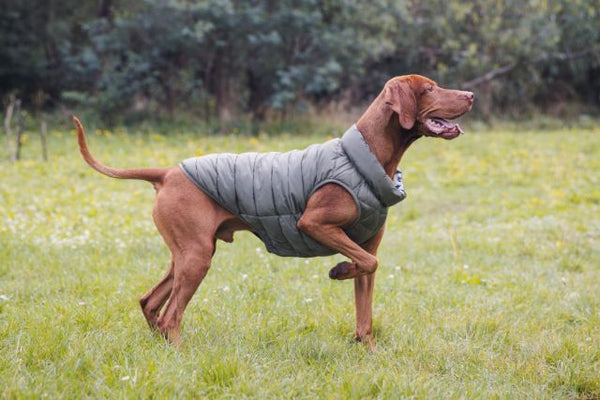
Not all dogs feel the cold equally. Short-haired breeds like Whippets, Greyhounds, Vizslas and Dachshunds lose body heat quickly and need extra warmth. Small dogs and puppies also struggle to regulate temperature. Senior dogs and those with health conditions feel the cold more acutely too. If your dog ticks any of these boxes, winter preparation matters more — not less.
2. Check their core coverage — not just their back
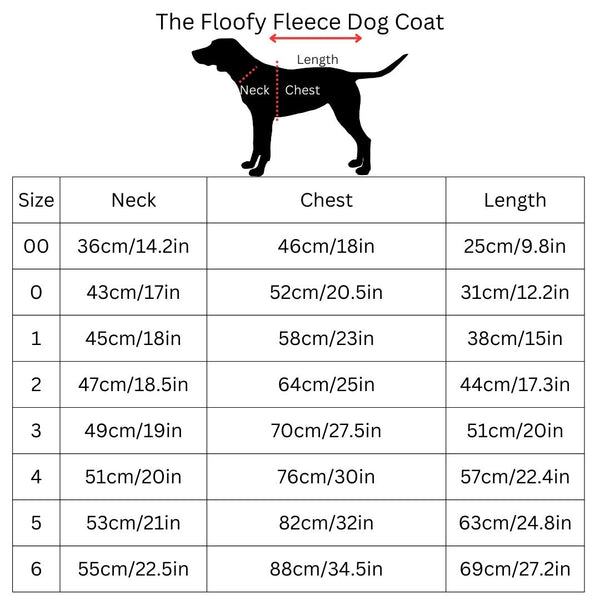
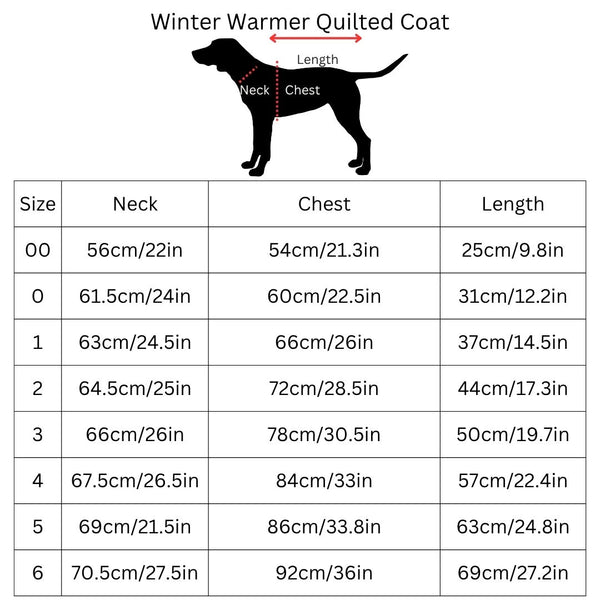
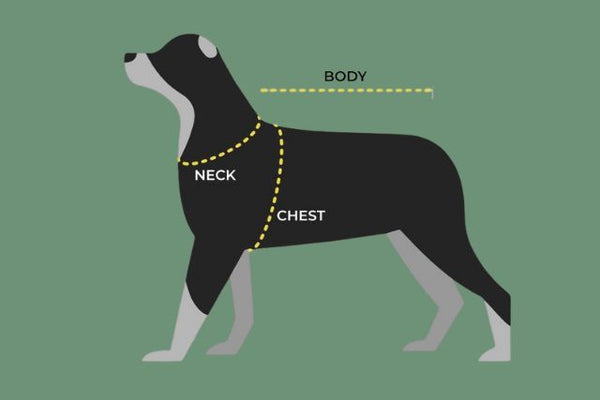
Most dog coats cover the back. But heat loss in dogs happens primarily through the chest and belly — the areas most exposed to cold air when they're standing or walking. When choosing a coat, look for full chest and tummy coverage, not just a saddle-style back cover. A coat that only covers the back is a bit like wearing a jacket with no front — it looks the part but doesn't do the job.
Snoot Style coats are designed with full chest and tummy coverage as standard — because that’s where warmth actually matters.
3. Think about layering
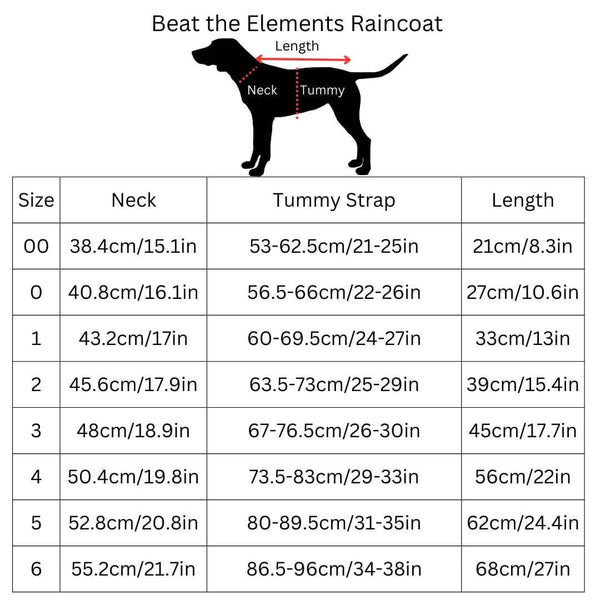
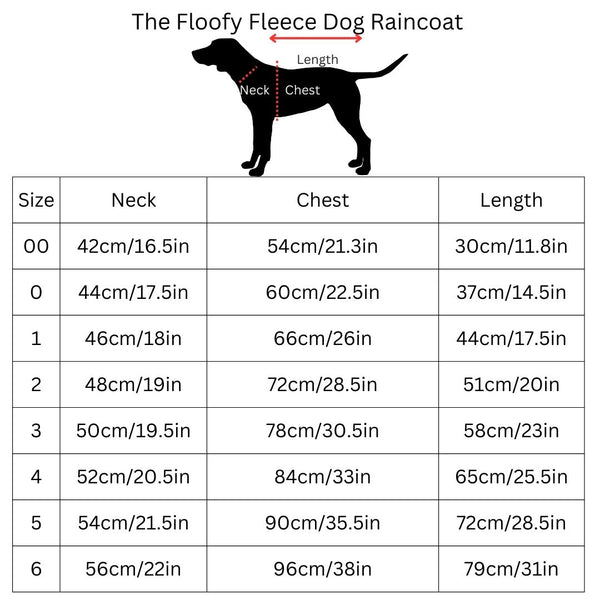
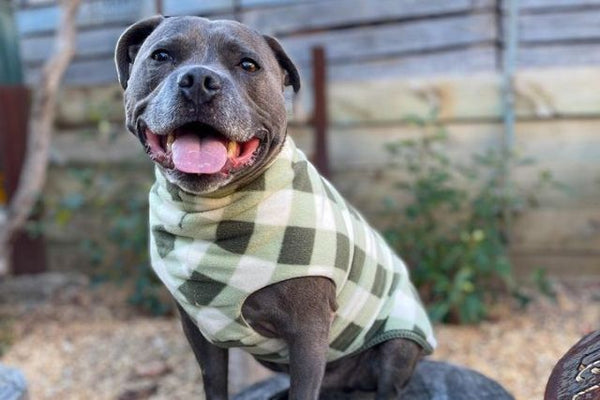
Just like us, dogs benefit from layering in serious cold. A snug fleece layer worn close to the body for warmth, with a waterproof outer layer over the top for wet or windy days, is the most effective combination. The key is finding pieces that work together — a fleece that sits flat under a raincoat without bunching, and a raincoat with enough room to layer comfortably without restricting movement.
The CosyLite Fleece is designed to sit flat under any Snoot Style raincoat — making layering easy when temperatures really drop.
4. Don’t forget their paws
Cold, wet ground, morning frost and road salt (in some climates) can all affect your dog's paws over winter. After walks, rinse or wipe their paws to remove any grit or salt. Check between the pads regularly for cracking or soreness. Some dogs benefit from paw balm through the colder months — a small thing that makes a real difference for daily walkers.
5. Make sure nighttime is warm enough
Dogs spend a lot of time resting, and nights get cold quickly in winter — even indoors. If your dog sleeps in a cooler part of the house, a lightweight fleece worn overnight can make a significant difference to their comfort and sleep quality. The key is finding something that won’t twist, bunch or ride up while they sleep — which rules out most regular coats.
The CosyLite Fleece is designed to be worn safely overnight — the jersey rib trim holds it in place, so your dog wakes up as comfortable as they fell asleep.

One last thing
Winter preparation doesn’t have to be complicated. A few small changes — the right coat, a warm sleeping layer, a post-walk paw check — can make a genuine difference to your dog’s comfort through the colder months.
They can’t ask for what they need. But with a little attention, you’ll know exactly how to give it to them.